
Siding
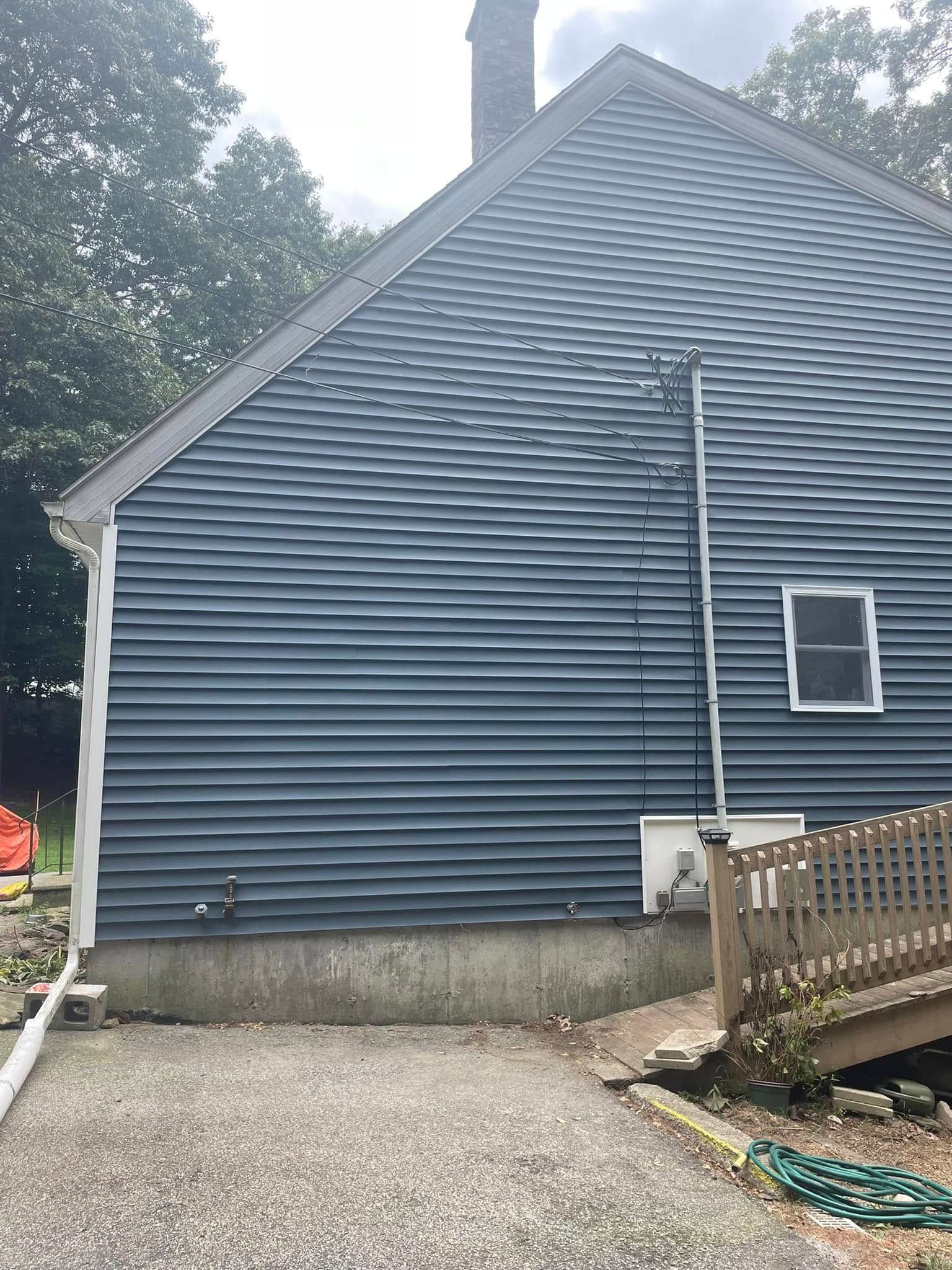
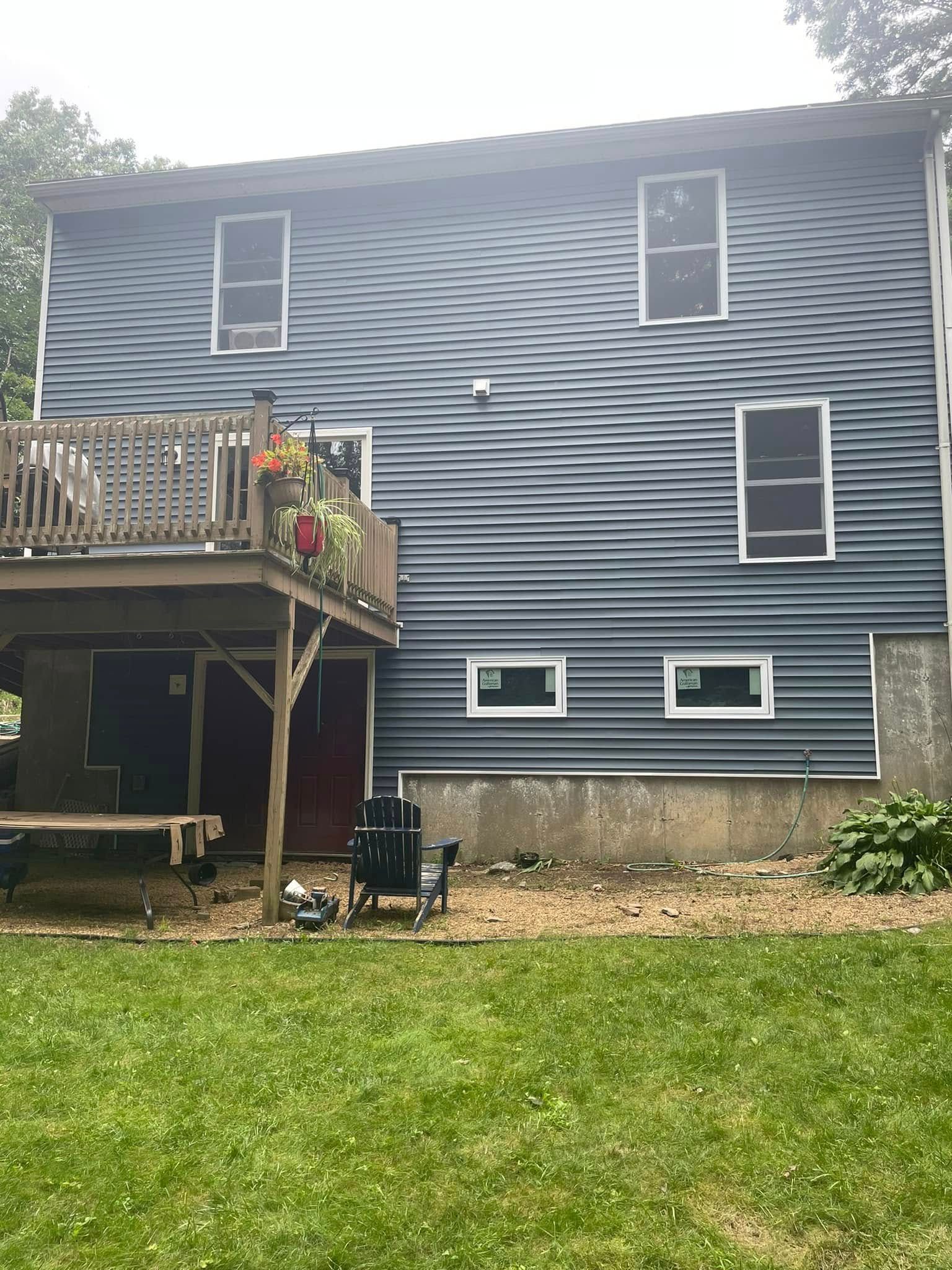
SIDING WORK IN DUDLEY, MA
Vinyl siding is hung, not fastened tight. A 12-foot panel can move more than half an inch between a January morning and an August afternoon, so nail heads are left slightly proud and the ends get a gap. Bowden and Son LLC installs and repairs vinyl, aluminum, and cedar shake siding across Dudley, MA, and nearby Webster, Oxford, and Charlton.
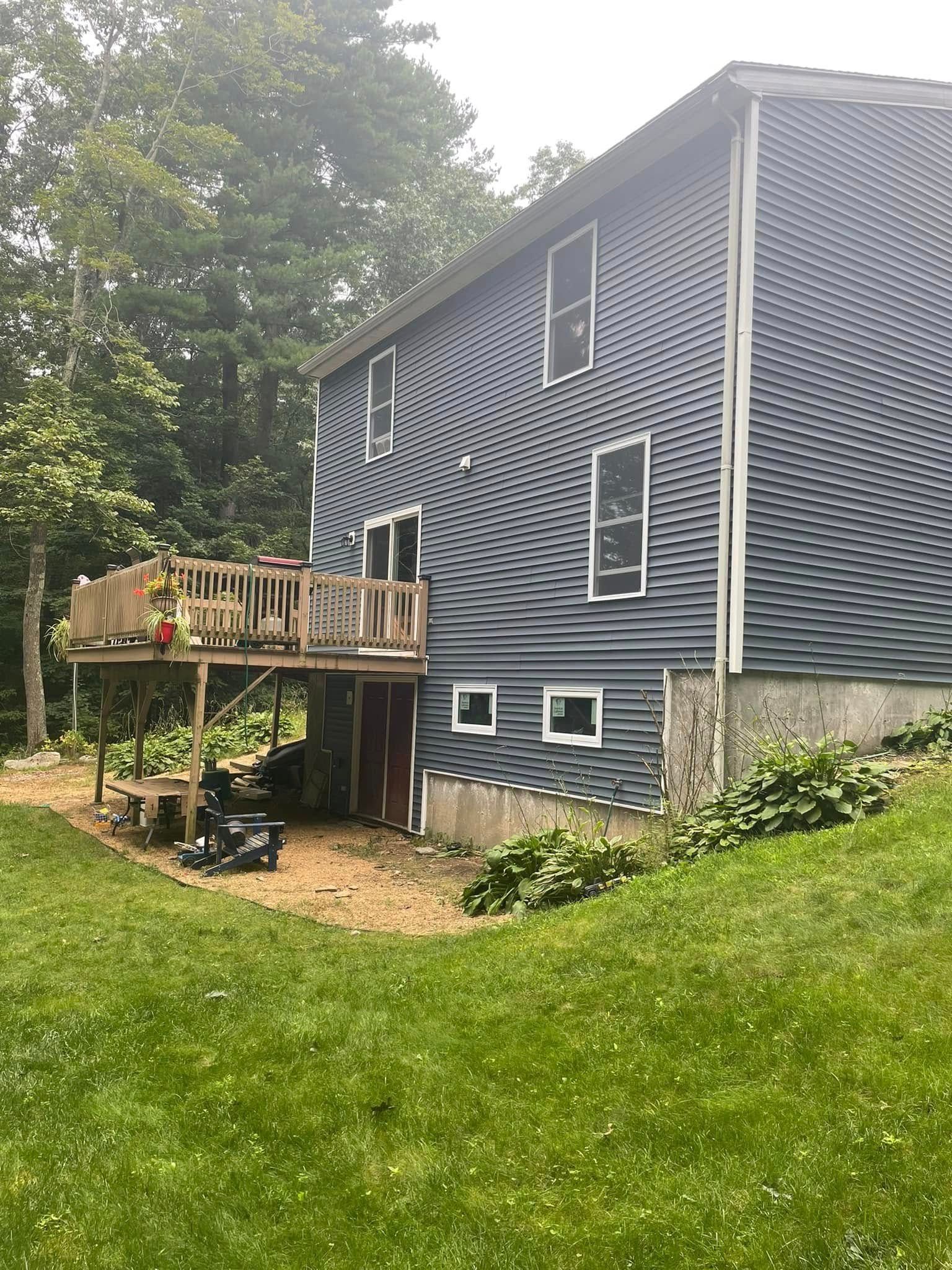
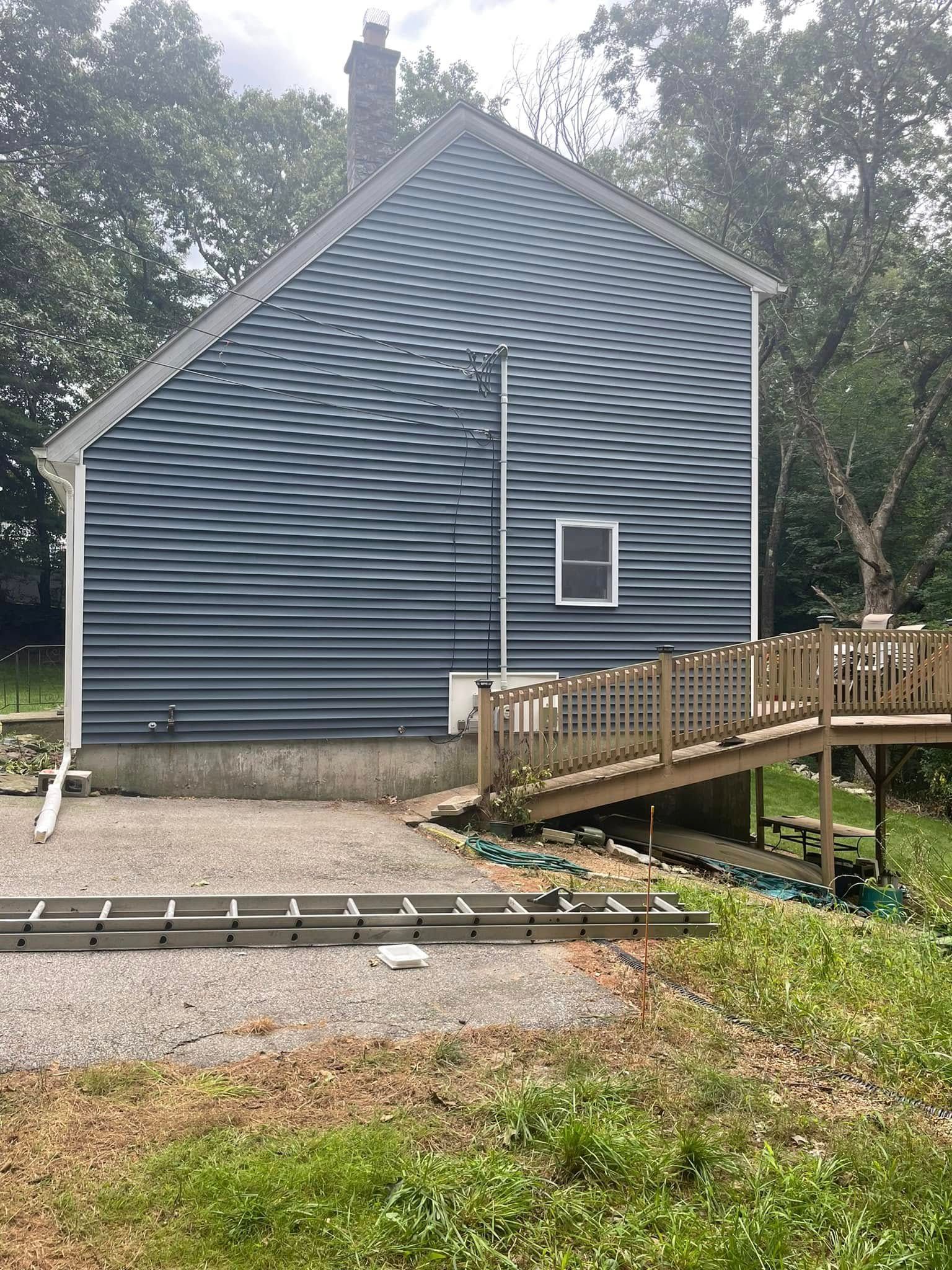
SIDING IS A RAIN SCREEN, NOT A SEAL.
Water gets behind every siding material eventually, driven by wind or wicking up a seam. What keeps a wall dry is the weather-resistive barrier underneath and the flashing at every penetration, all lapped so gravity carries water back out.
That is why we care as much about what goes on before the first panel as we do about the panel itself. Housewrap detailed properly, windows and doors flashed, kickout flashing where a roof meets a wall, and a drainage path that actually drains.
- Weather barrier detailed and lapped correctly
- Panels hung loose for thermal movement
- Flashing at every window, door, and roof junction
- Rotted sheathing found and replaced before cladding
SIDING
BAD SIDING JOBS LOOK FINE FOR ABOUT 3 YEARS.
Then the seams start showing. Panels buckle in July because they were nailed tight. Corners pull apart because the fasteners went through the middle of the nail slot instead of the center. A wall stains below a window because nobody flashed the head. None of it is visible on handover day, which is why siding is a trade where the estimate rarely tells you what you are buying. We would rather explain the details than hope you never notice them.
EXPOSURE ON A NEW ENGLAND WALL IS BRUTAL.
The south and west elevations here take sun, wind-driven rain, freeze and thaw cycling, and road salt spray if you sit near a plowed route. That is why vinyl fades unevenly, why cedar shake needs its exposure and its ventilation right, and why aluminum eventually chalks. We match the material to the elevation, warn you which side of the house will age faster, and detail the water management so the sheathing behind it never finds out what the weather is doing.
NOTHING BEHIND A SIDING PANEL SURPRISES US ANYMORE.
Pull the cladding off a house built in the 1950s and you find board sheathing with gaps, no housewrap at all, and rot concentrated exactly where you expected it under the windows. That is normal, and we plan for it rather than treating it as a change order ambush. Our 30 years in this trade mean the estimate already accounts for what an old wall usually hides. Want to know what your sheathing looks like?
WHAT NEW SIDING ACTUALLY DELIVERS.
A dry wall assembly underneath
Correct housewrap, flashing, and lapping mean that rain getting past the panels drains straight back out rather than soaking into sheathing and framing you cannot see.
A facade that reads as maintained
Consistent courses, tight corners, and clean trim around every opening change the impression a house makes from the road more than almost any other exterior project.
Lower maintenance every spring
Vinyl and aluminum need washing rather than scraping and repainting, which hands several weekends a year back to you compared with maintaining aging painted wood.
Better comfort near exterior walls
Replacing siding is the natural moment to add exterior insulation or air sealing, and those improvements show up in how the rooms behind those walls feel each winter.
Damage caught before it spreads
Taking the old cladding off exposes rot, insect activity, and past leaks while they are still repairable, instead of leaving them to work quietly for another decade.
Real return at resale
Exterior cladding is one of the first things an appraiser and a buyer evaluate, and fresh, correctly installed siding removes an obvious deferred-maintenance objection from the conversation.
WHAT WE CLAD
OUR SIDING WORK
Installation, replacement, and repair in the three materials we work with most. Below is what we take on for houses around Dudley and the neighboring towns.
VINYL
Vinyl Siding Installation
Affordable, low-maintenance, energy-efficient, and versatile cladding hung with the correct fastener spacing and expansion gaps, so that panels can move through the seasons without buckling in summer or pulling apart at the corners.
ALUMINUM
Aluminum Siding Installation
Fire-resistant, weather-resistant, rust-proof, and lightweight panels installed with the careful handling needed to avoid the denting aluminum is prone to, then trimmed out cleanly at every opening and transition.
CEDAR
Cedar Shake Siding Installation
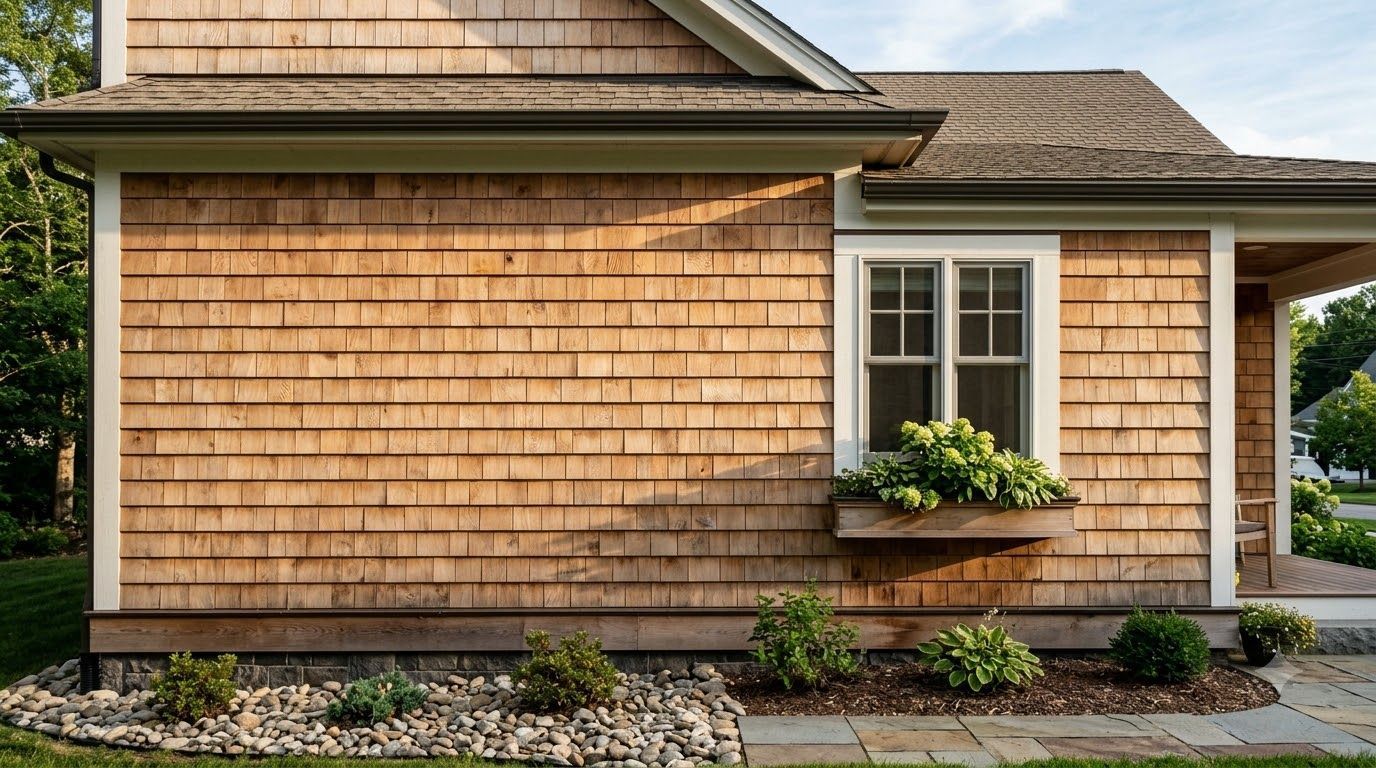
Eco-friendly, durable, insect-resistant shakes with a rustic appearance, installed at the correct exposure over a ventilated assembly so that the material is able to dry from both faces after it gets wet.
PREPARATION
Sheathing and Weather Barrier
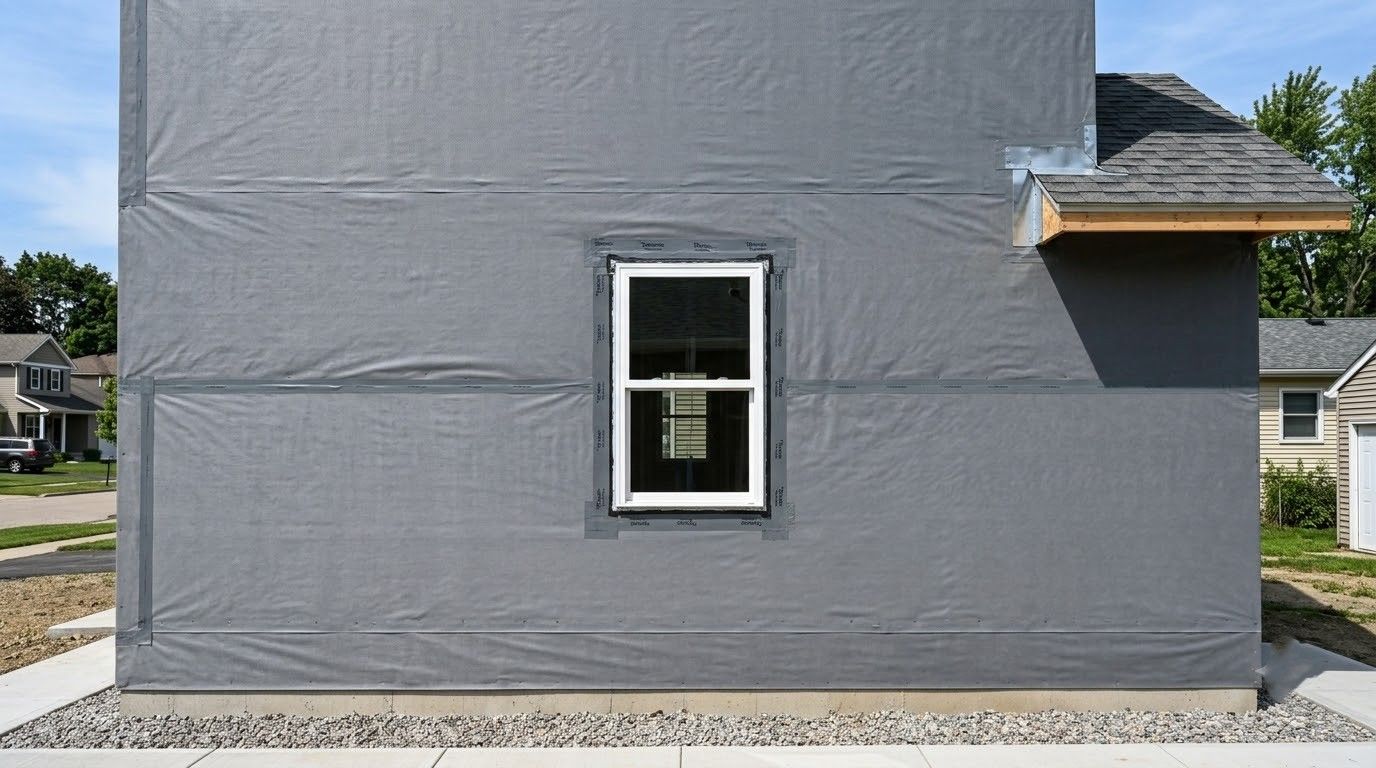
Rotted sheathing cut out and replaced, housewrap installed and lapped in the proper shingle sequence, and flashing detailed at windows, doors, and every roof-to-wall junction before any cladding is hung.
REPAIR
Siding Repair
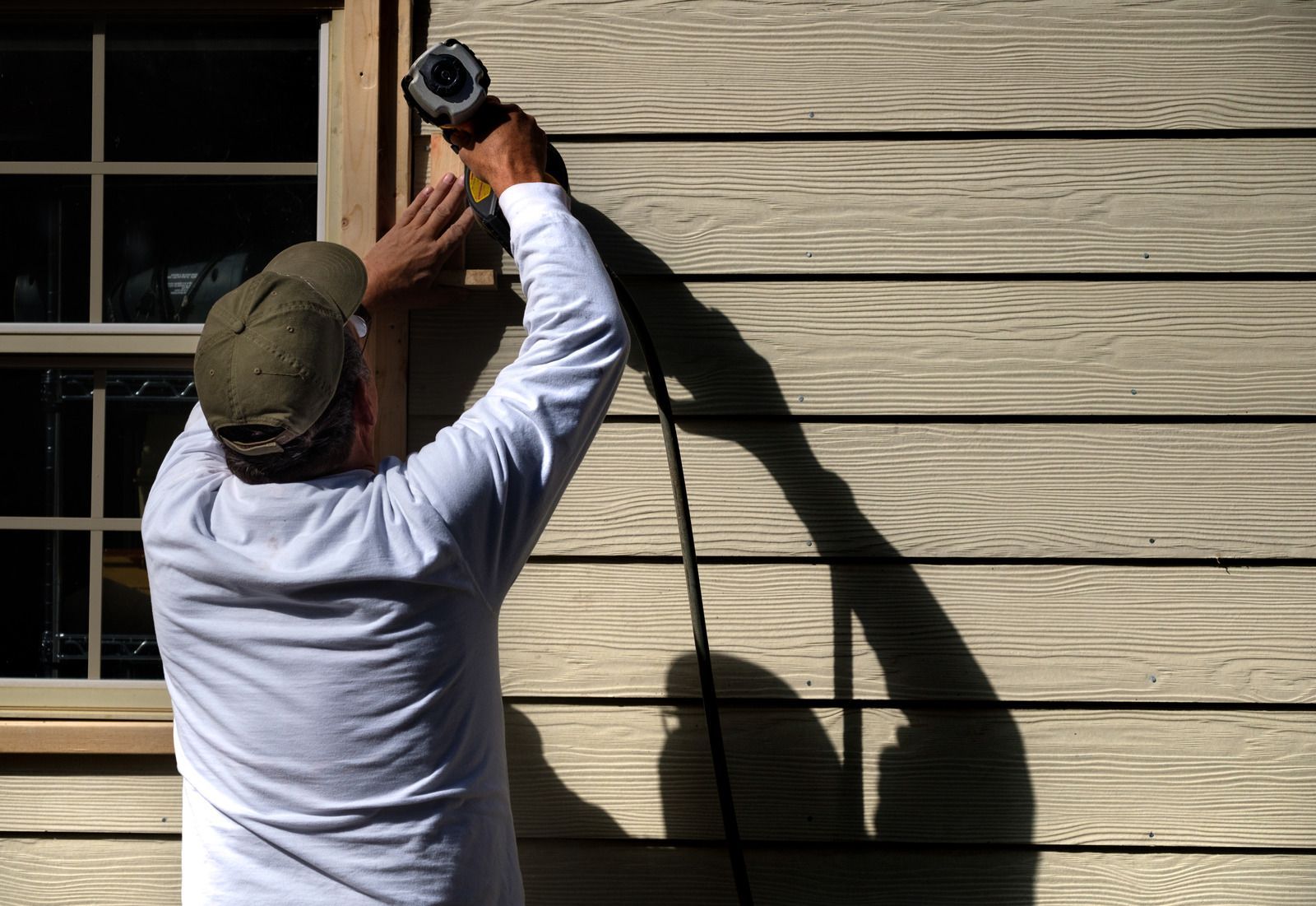
Warped, faded, or cracked vinyl, dented or corroding aluminum, and molded, rotting, or missing cedar shakes all replaced section by section, with the surrounding courses left undisturbed wherever that is possible.
DETAILS
Trim, Corners, and Soffit Work
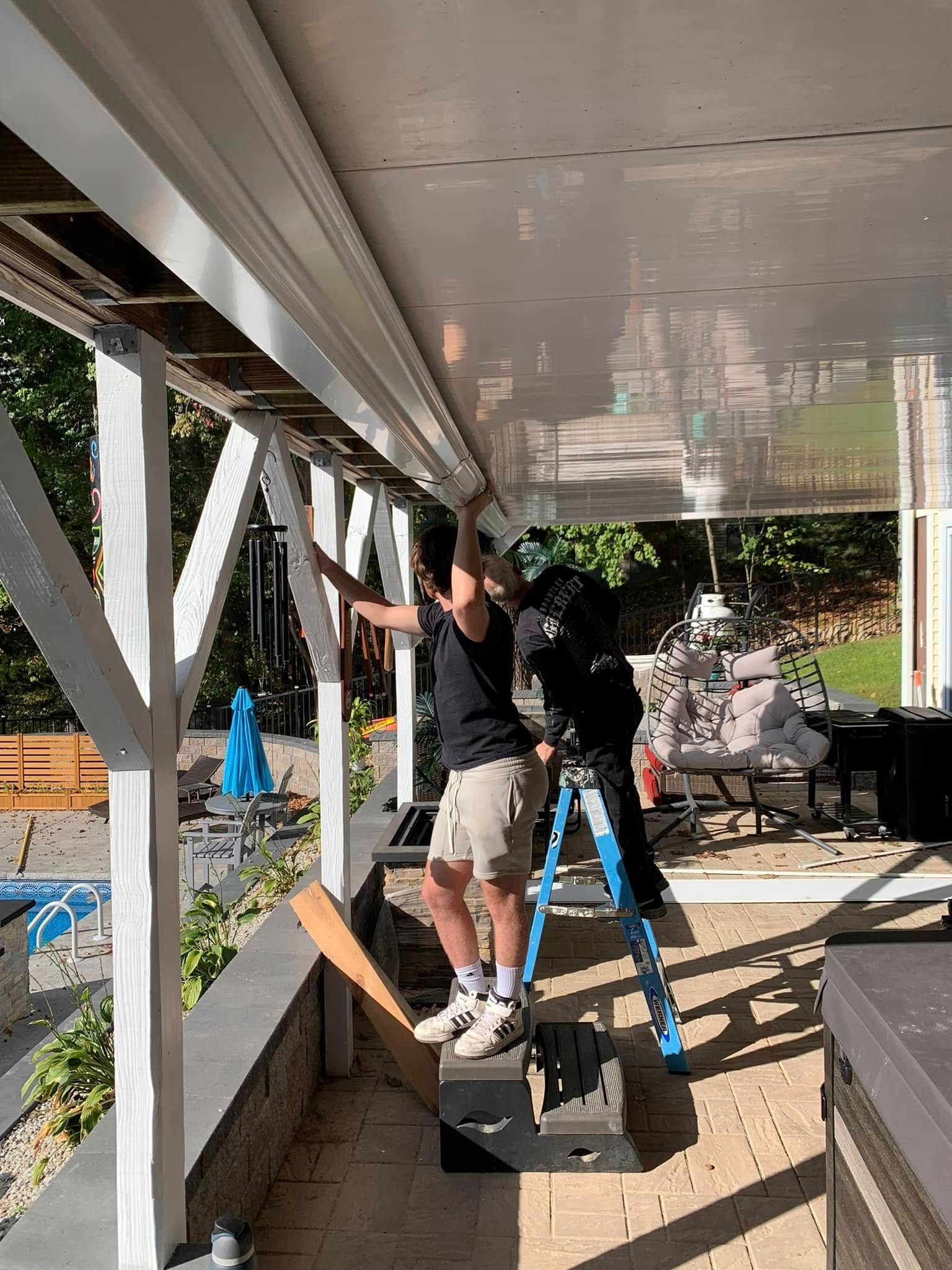
Corner posts, J-channel, frieze boards, fascia, and soffit all finished so the transitions look deliberate. Water gets a clear exit path and the wood behind the trim stays covered and dry.
THE WORD ON OUR WORK
WHAT OUR CLIENTS SAY.
Exterior projects are visible to the whole street, so homeowners watch the courses and the corners closely. What comes back to us is that the lines stay level around the house, the trim looks finished, and the yard was raked clean of cut-offs every evening.
Common Questions
FREQUENTLY ASKED QUESTIONS.
The questions below come up on almost every siding estimate we write. Anything not covered here, send it through the contact page and we will answer it directly.
How long does vinyl siding last?
Properly installed vinyl commonly gives 20 to 40 years of service, and aluminum a similar span. Cedar shake depends heavily on exposure and maintenance. Installation quality and the weather barrier behind it matter every bit as much as the material grade.
What are the signs siding needs to be replaced?
Fungus or mold growth, seams visibly separating, panels warping or swelling, boards that feel soft underneath, paint that simply will not hold any longer, and rising heating bills all point toward replacement rather than another round of patching.
Do you need house wrap behind siding?
Yes. Vinyl in particular is not watertight, so the housewrap is the actual drainage plane for the whole wall assembly. It has to be lapped shingle-fashion and carefully integrated with the flashing at every single opening in the wall.
Why is vinyl siding nailed loosely?
Because vinyl expands and contracts significantly with temperature swings. Nails go in the center of the slot and are left slightly proud so the panel can still slide. Fastened tight, it buckles and waves on the first hot day.
Can new siding be installed over old siding?
Sometimes, but we rarely recommend it. Covering old cladding hides rot underneath and complicates the flashing at every opening. In 30 years around Dudley, MA, Bowden and Son LLC has almost never found it to be the better decision.
What is the difference between vinyl, aluminum, and cedar shake siding?
Vinyl is affordable, versatile, and low-maintenance. Aluminum is lightweight, rust-proof, and fire-resistant, though it does dent easily. Cedar shake is durable, insect-resistant, and eco-friendly with a rustic look, but it asks the most of you in ongoing upkeep.
Does new siding improve energy efficiency?
The panels themselves do very little on their own. The gains come from what you add during the job: continuous insulation, air sealing at penetrations, and a properly detailed weather barrier. Ask for those explicitly rather than assuming they are included.
How long does a siding replacement take?
A typical single-family house runs about 1 to 2 weeks, depending on size, material, and how much sheathing repair turns up. Bowden and Son LLC works one elevation at a time on houses across Dudley, MA to limit the exposure.
HOW WE WORK
FROM TEAR-OFF TO THE LAST CORNER POST.
STEP 01
Walkaround and Elevation Review
We walk all four sides of the house, look at how each elevation has weathered, check the trim and the sheathing where we can, and talk through the material and color you have in mind.
STEP 02
Written Scope and Material Selection
The quote spells out the material, the trim package, the weather barrier, and a clear allowance for sheathing repair, so that a rotten section found later never becomes an argument about price.
STEP 03
Protection and Tear-Off
Landscaping and windows are protected first, then the old cladding comes off one elevation at a time. Nothing is ever left open overnight when weather is moving through the area.
STEP 04
Sheathing Repair and Weather Barrier
Damaged sheathing is cut back to sound framing and replaced, then the housewrap goes on lapped correctly, with flashing set carefully at windows, doors, and at every roof-to-wall junction on the house.
STEP 05
Cladding Installation
Starter strip is set dead level, courses run consistently around the house, corners and J-channel are installed, and fasteners are placed in the center of each slot at the correct spacing
STEP 06
Trim, Cleanup, and Walkaround
Fascia, soffit, frieze, and window trim are all finished, the site is raked and magnet-swept for loose fasteners, and we walk all four elevations with you before the trailer leaves.
Get Your Free Estimate
LET US SEE ALL FOUR SIDES. THE QUOTE IS FREE.
Siding quotes are hard to compare because most of the work is behind the panel. We will walk the whole house with you, point out where water is already getting in, explain what the weather barrier and flashing will cost, and put an honest sheathing allowance in writing rather than surprising you mid-job. Homes throughout Dudley, MA and nearby towns. Military discounts apply. Reach us on the contact page.
WHAT YOUR SIDING QUOTE COVERS:
- Material, profile, and color specified
- Tear-off and disposal of the old cladding
- A written sheathing repair allowance
- Weather barrier and flashing details
- Trim, corners, soffit, and fascia work
- Site cleanup and fastener sweep