
Painting
PAINTING WORK IN DUDLEY, MA
Any paid work that disturbs paint in a home built before 1978 has to follow lead-safe practices, and the large majority of the housing stock around here predates that line by decades. Bowden and Son LLC handles interior and exterior painting, from the surface prep right through the final coat, for homes across Dudley, MA, Webster, Oxford, Charlton, and Southbridge.
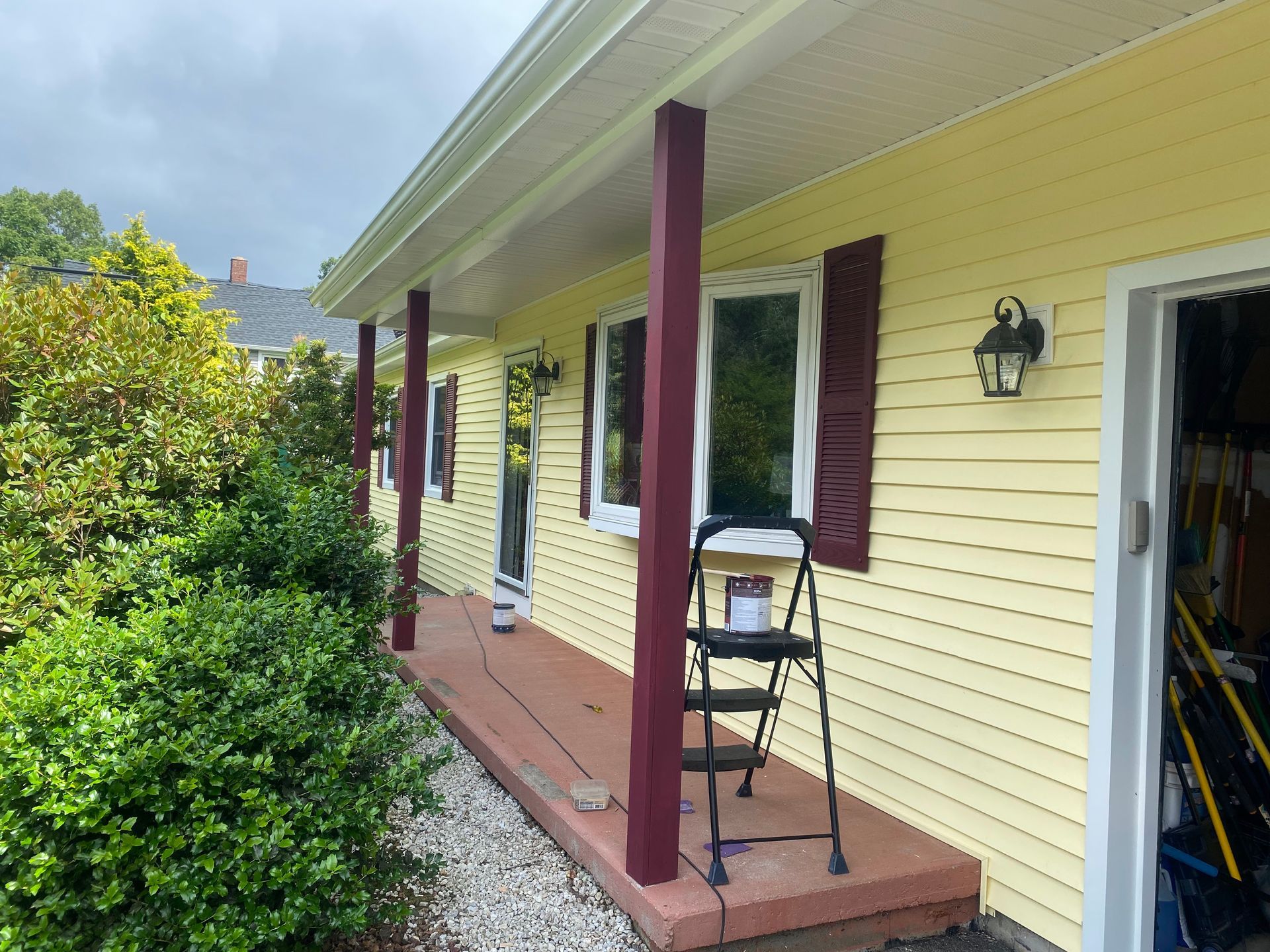
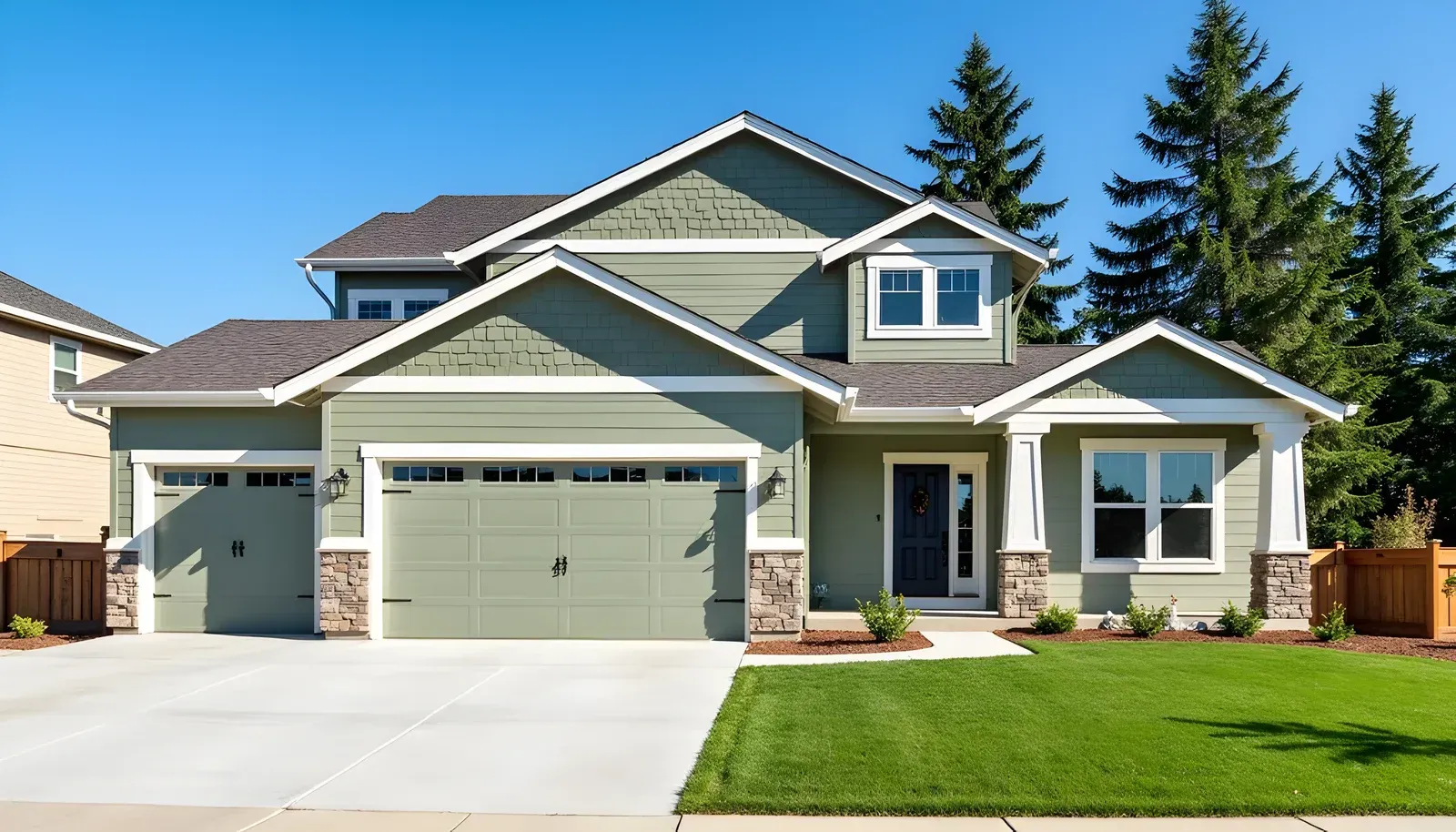
PAINT IS 90 PERCENT PREPARATION.
The finish coat is the fastest part of any paint job. Everything before it decides how long the result lasts: washing, scraping, sanding, filling, caulking the joints that moved, spot priming bare substrate, and masking so the lines land where they should. Skip the prep and the paint fails on schedule.
Homeowners rarely watch a crew prep, so it is the easiest place to save money quietly. That is exactly why we spell it out in the quote instead of hiding it inside a square-foot number.
- Lead-safe practices on pre-1978 homes
- Washing, scraping, sanding, and filling included
- Correct primer specified per substrate
- Furniture, floors, and landscaping protected
PAINTING
COLOR IS THE DECISION. SHEEN IS THE ONE THAT BITES.
Everybody agonizes over the color chip and almost nobody thinks about the sheen, then wonders why a flat wall in a hallway will not wipe clean or why a semi-gloss ceiling shows every roller mark. Sheen governs washability, durability, and how much a surface advertises its own imperfections. We match it to the room and the substrate, so a busy kitchen wall gets something you can scrub and a living room stays soft under low winter light.
EXTERIOR SEASON HERE IS SHORTER THAN PEOPLE THINK.
Most exterior coatings want surface and air temperatures reliably above the mid-40s, with the surface dry and no dew forming overnight. In practice that gives us roughly May into October, and the fall end of it closes fast once nights cool off. Booking exterior work early matters more in New England than almost anywhere. We schedule around dew point and rain rather than pushing a coat on that will not cure properly.
WE CUT LINES BY HAND AND WE DO NOT RUSH THEM.
A straight cut line where the wall meets the ceiling is the fastest way to tell a professional job from a fast one, and there is no tool that does it for you. Same with the third coat on a color change nobody wanted to admit needed one. Our crew has been finishing rooms in Worcester County houses for 30 years and the habit has not changed. Want your prep scope itemized before you compare quotes?
WHAT A PROPER PAINT JOB DELIVERS.
A finish that holds for years
Correct prep and the right primer mean the coating bonds to the substrate rather than to dust or chalk, which is the whole difference between 5 years and 15.
Surfaces you can actually clean
The right sheen in kitchens, baths, hallways, and kids' rooms lets you wipe a mark off the wall instead of touching it up and watching the patch flash.
Protection for the wood outside
Exterior paint is a weather barrier as much as a color. Sound coating and caulked joints keep water out of trim, siding, and sills where rot always starts.
A house that presents well
Fresh, correctly applied paint is the highest-return cosmetic change available to a homeowner, and it reads to buyers and neighbors alike as a house somebody is looking after.
Lead-safe handling of older homes
Contained work areas, proper cleanup, and no dry sanding of old paint keep the dust from becoming a health issue for a family living in a pre-1978 house.
Clean lines and no collateral damage
Masking, floor protection, and hand-cut edges mean that the only thing changing in the room is the color, and not your trim, your floors, or your hardware.
WHAT WE FINISH
OUR PAINTING WORK
Interior and exterior, prep through final coat. Below is what we take on for homeowners around Dudley and the surrounding towns, one room or a whole house.
INTERIOR
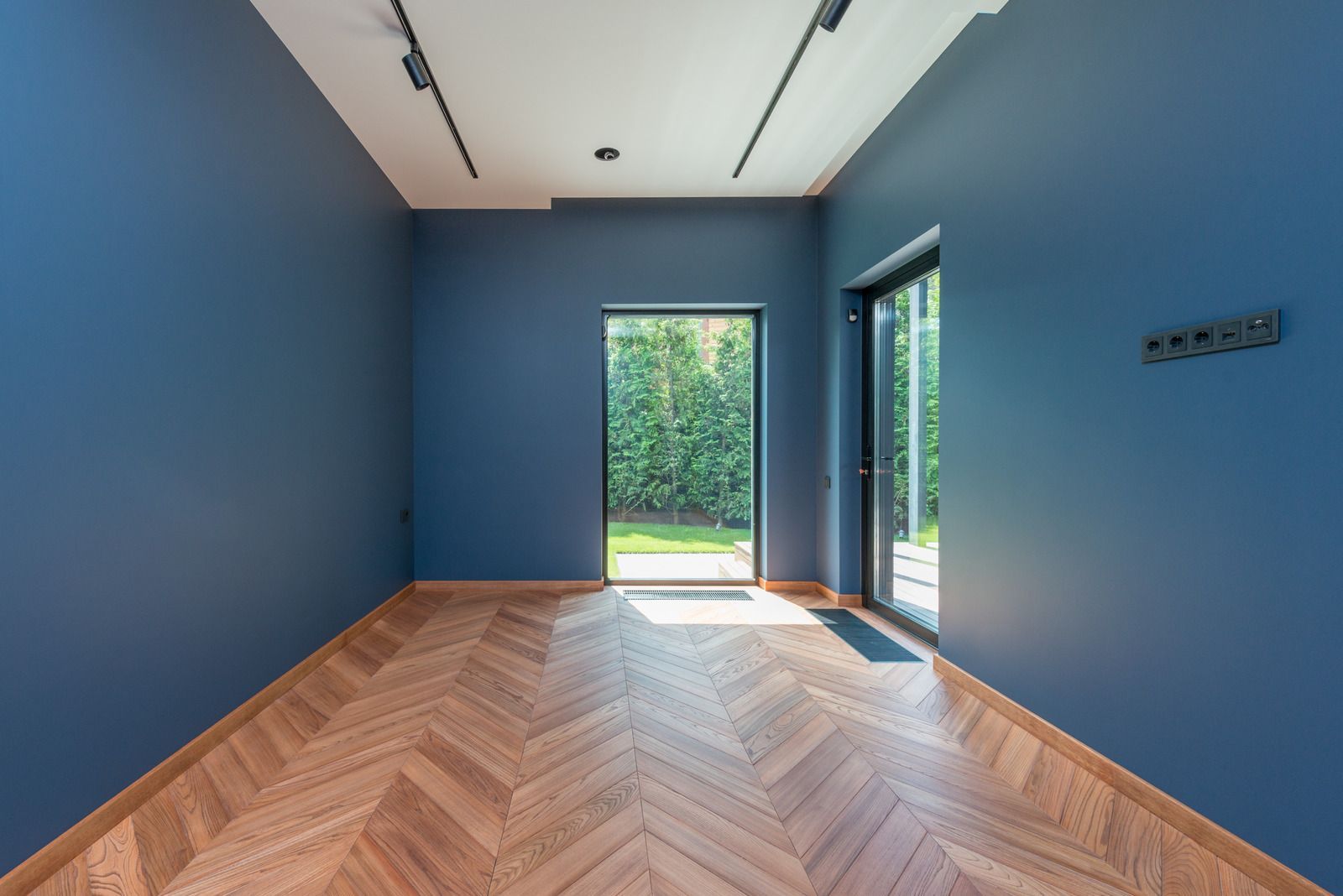
Interior Wall and Ceiling Painting
Rooms prepped, patched, and sanded, then cut and rolled in the sheen that suits the space. Ceilings are done first, walls next, and everything is protected before a lid comes off.
TRIM WORK
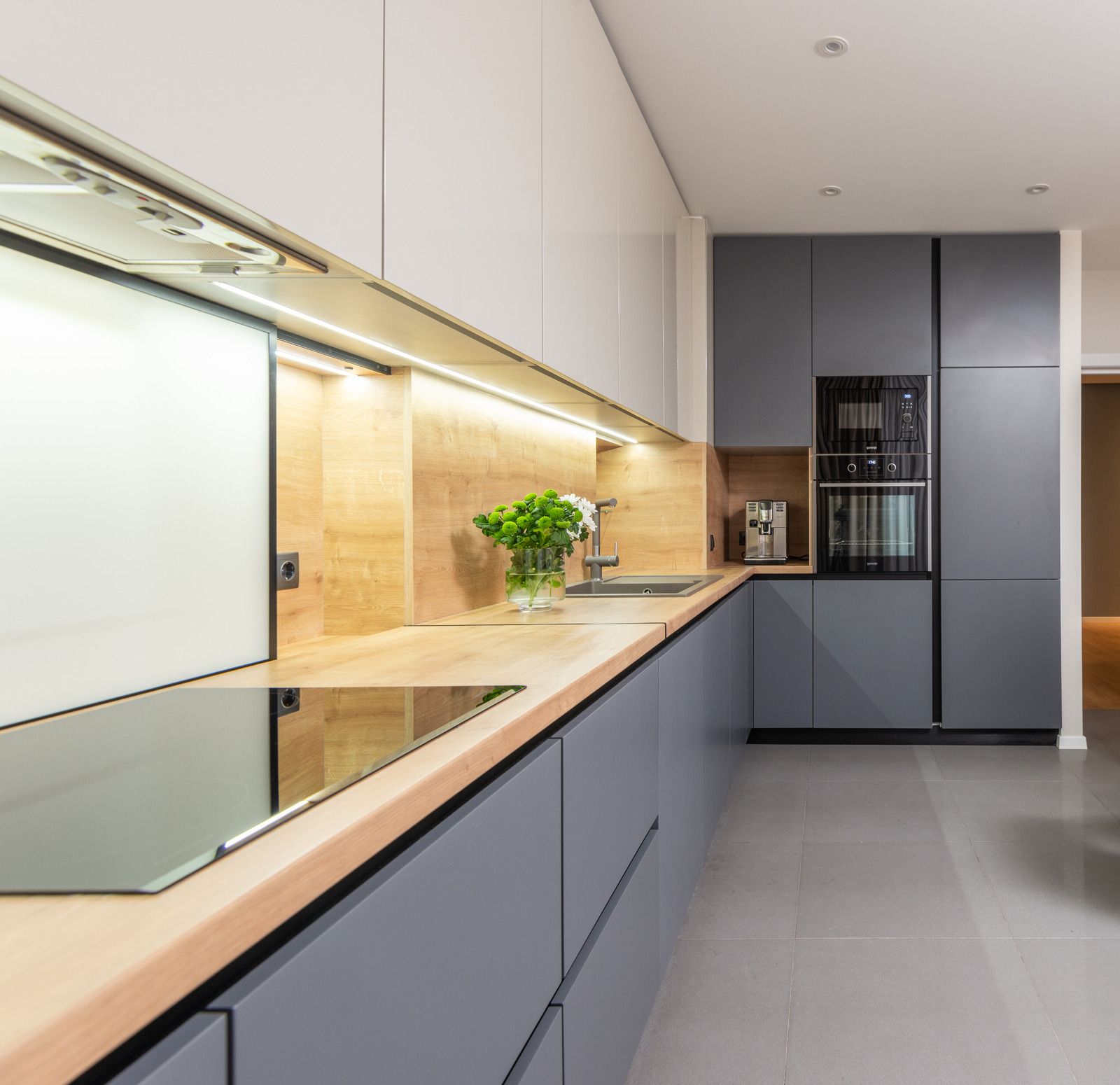
Trim, Door, and Cabinet Finishing
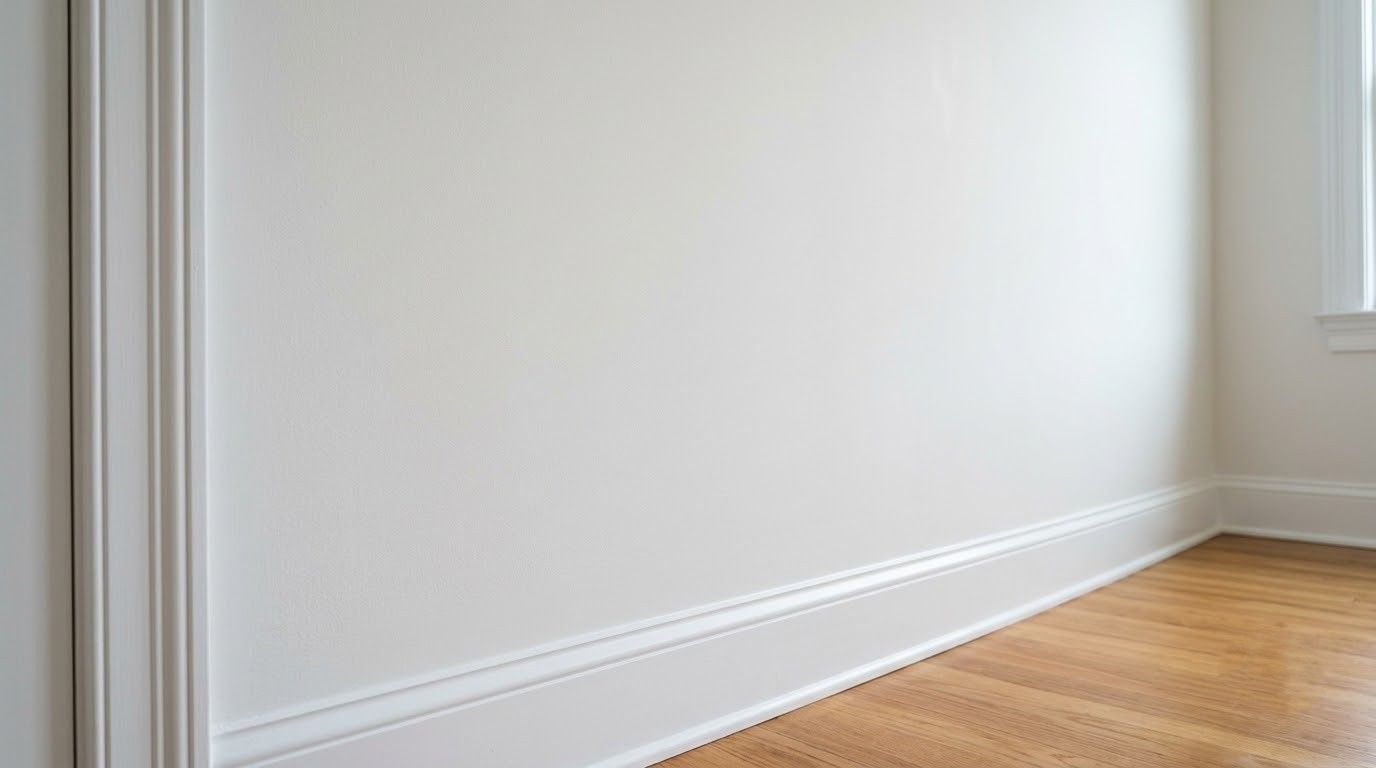
Baseboard, casing, doors, and cabinetry all sanded, filled, and finished with the harder coatings those surfaces need, then laid off carefully so brush marks do not telegraph under direct light.
EXTERIOR
Exterior House Painting
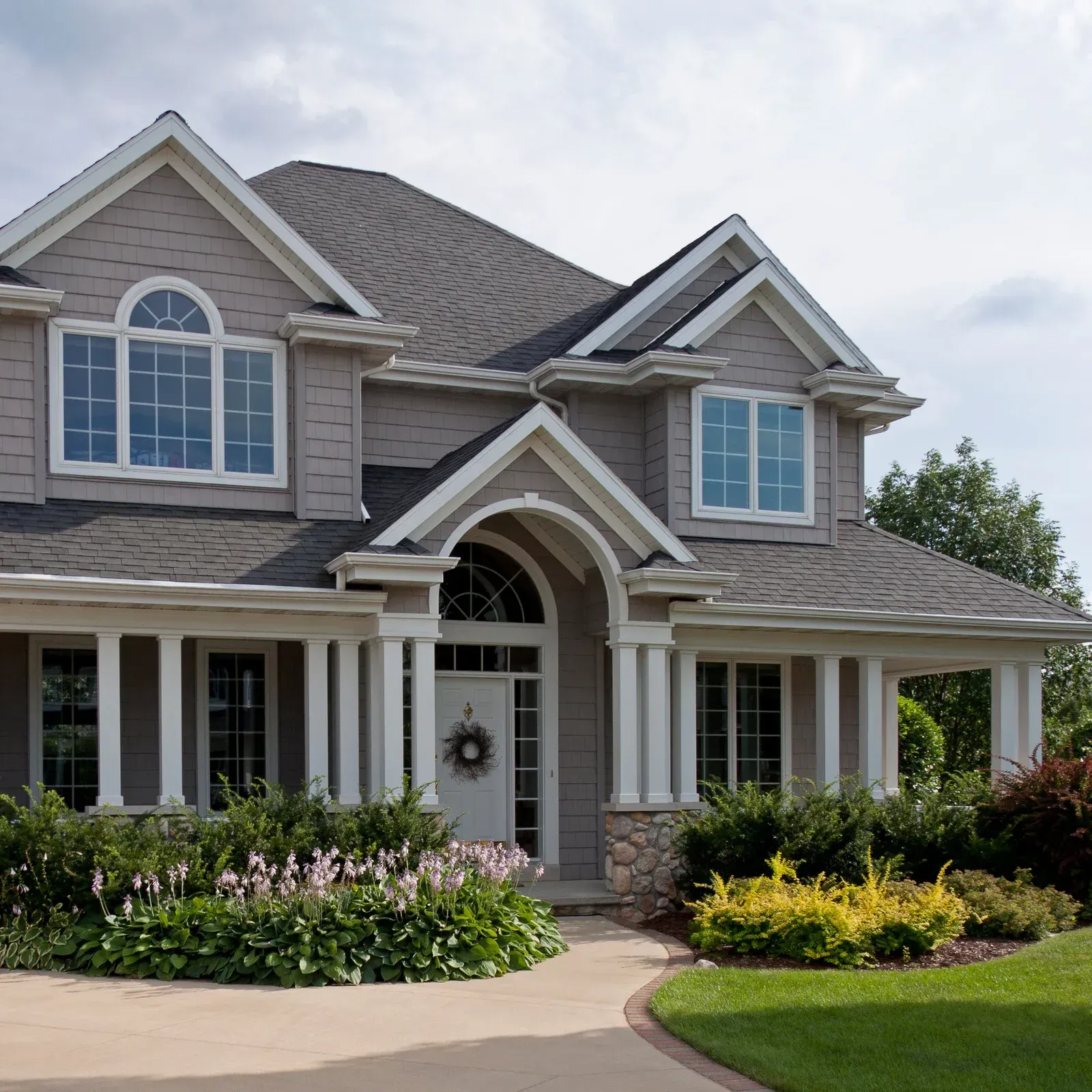
Siding, trim, and porches washed, scraped, sanded, and spot primed, then coated inside the weather window the season allows, with every joint caulked so water cannot get behind the finish.
PREPARATION
Surface Preparation and Repair
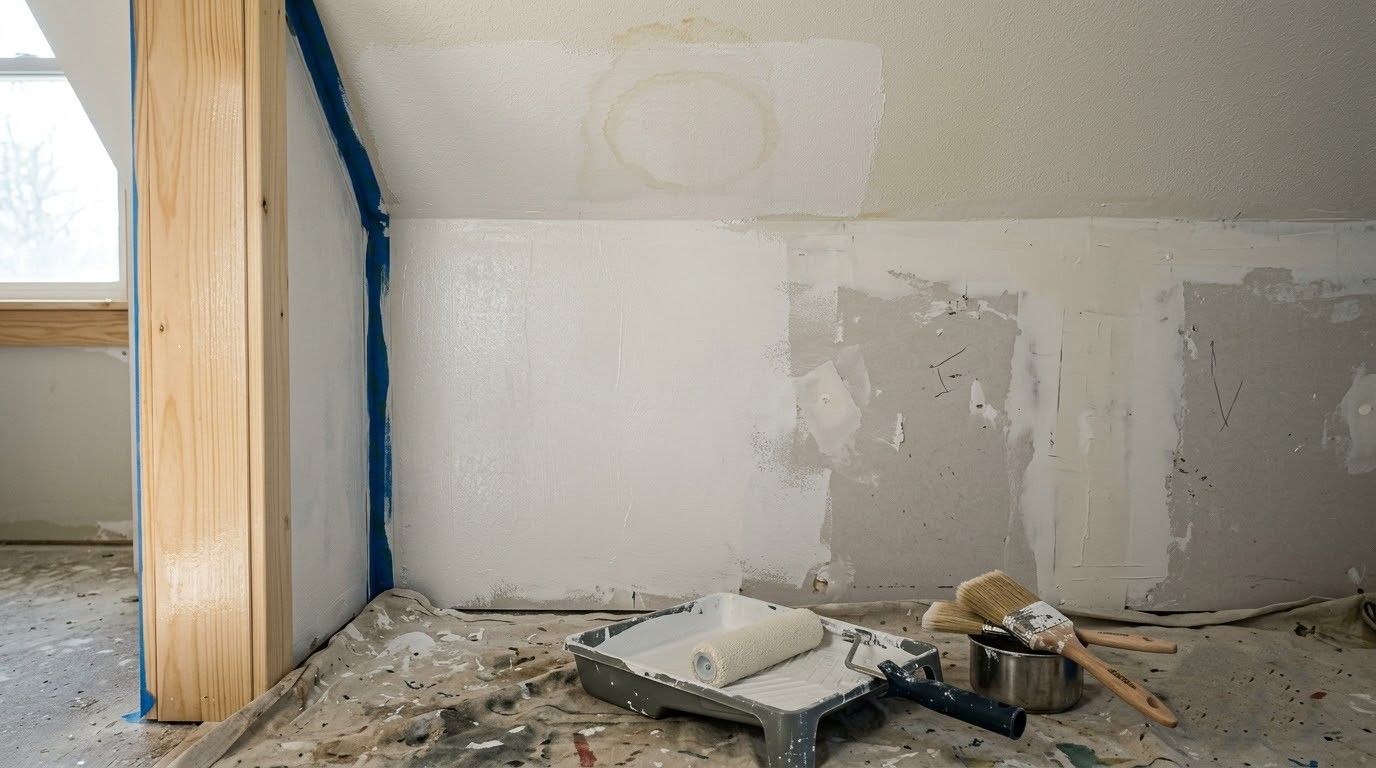
Washing, scraping, sanding, filling holes and dents, replacing failed caulk, and repairing minor rot or drywall damage, because a coating can only be as sound as whatever is under it.
PRIMING
Priming and Stain Blocking
Bare wood, patched drywall, glossy old finishes, tannin-bleeding species, and water-stained ceilings each get the specific primer that particular problem calls for, rather than one all-purpose can for everything.
LEAD SAFE
Older Home Painting
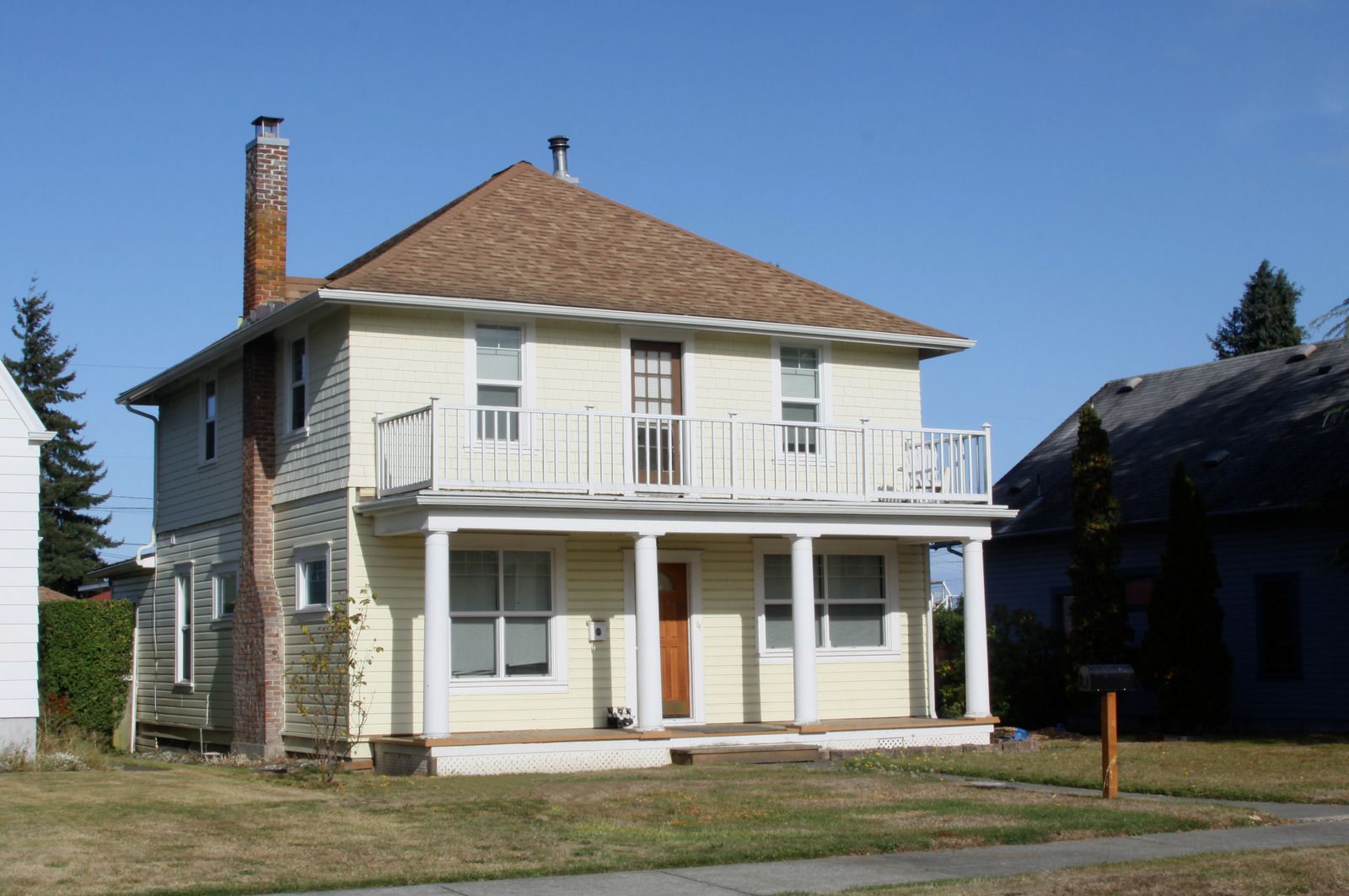
Pre-1978 homes handled with contained work areas, wet methods used instead of dry sanding, and thorough cleanup, so that disturbing old paint never spreads dust through the rest of the house.
THE WORD ON OUR WORK
WHAT OUR CLIENTS SAY.
Painting is judged on the edges and the cleanup, not on the color. What homeowners tell us afterward is that the cut lines are straight, nothing got on the floors or the hardware, and the room was put back together the same evening we finished it.
Common Questions
FREQUENTLY ASKED QUESTIONS.
Below are the questions that come up on most painting estimates. If yours is not answered here, send it through our contact page and we will respond directly.
Should trim or walls be painted first?
Painters disagree, and both sequences work. Trim first with the walls cut to it afterward is the traditional approach and generally gives the cleanest line. What matters far more is that each coat is fully dry before the next.
How long should you wait between coats of paint?
Water-based paints usually want 2 to 4 hours between coats, while oil-based coatings often need overnight. Humidity and temperature both stretch that figure out considerably, so the label is only a starting point rather than the final word.
When does a wall need primer?
Bare drywall, bare wood, patched areas, glossy existing finishes, stains, and any dramatic color change all call for a primer first. Repainting a sound, similar-colored wall that is already in good condition usually does not need one at all.
How many coats of paint do walls need?
Two finish coats over primer is the standard, and it is what gives you consistent color and even sheen across the wall. A drastic color change, or covering a deep color with a pale one, often requires a third.
What causes paint to peel or bubble?
Moisture trapped behind the coating, painting over a dirty or chalky surface, or skipping primer on a glossy substrate. Peeling is nearly always a bonding failure, so the fix is prep rather than another coat over the top.
What paint sheen is best for kitchens and bathrooms?
Satin or semi-gloss, because both of them resist moisture and clean up without burnishing the surface. Flat hides imperfections beautifully but does not survive repeated scrubbing at all, which makes it a poor match for those two rooms specifically.
What is required when painting a home built before 1978?
Contractors doing paid work that disturbs paint in a pre-1978 home must follow lead-safe practices. Bowden and Son LLC uses contained areas, wet methods, and thorough cleanup on the older homes that make up most of Dudley, MA.
What is the best temperature for exterior painting?
Most exterior coatings want surface and air temperatures above roughly 50 degrees with no dew expected overnight. After 30 years of scheduling exterior work around Dudley, MA, Bowden and Son LLC plans jobs by dew point, not by calendar.
HOW WE WORK
FROM THE WASH DOWN TO THE FINAL CUT LINE.
STEP 01
Walkthrough and Substrate Check
We look at what is on the surface now, whether it is bonding, where moisture has been getting in, and what the house was likely built with, then discuss colors and sheens room by room.
STEP 02
Written Scope With Prep Itemized
The quote lists the prep separately from the coating, including washing, scraping, filling, caulking, and priming, so you can see exactly what you are buying rather than a single number.
STEP 03
Protection and Masking
Furniture is moved or covered, floors are protected, hardware and fixtures come off rather than getting taped around, and all landscaping is covered on any exterior project.
STEP 04
Surface Preparation
Washing, scraping, sanding, filling, and caulking, with lead-safe containment on older homes. This is the longest stage of the job and the one that decides how long the finish lasts.
STEP 05
Priming and Coating
Spot or full priming as the substrate requires, then two finish coats with proper dry time between them, cut by hand at every edge and laid off so the sheen stays consistent.
STEP 06
Cleanup and Walkthrough
Hardware goes back on, all masking comes off, the site is cleaned up, and we walk each room with you in daylight to catch anything needing a touch before we call it finished.
GET YOUR FREE ESTIMATE
ASK US WHAT THE PREP INCLUDES. THE QUOTE IS FREE.
Two painting quotes can differ by thousands and both be honest, because one includes the preparation and the other assumes you will not ask. We itemize washing, scraping, filling, caulking, and priming separately so you can compare like for like. We will walk the rooms or the exterior with you anywhere in Dudley, MA and the towns nearby. Military discounts apply. Get in touch through our contact page.
WHAT YOUR PAINTING QUOTE COVERS:
- Prep itemized separately from coating
- Primer specified by substrate and condition
- Number of finish coats stated per surface
- Lead-safe handling on pre-1978 homes
- Furniture, floor, and landscaping protection
- Hardware removal, cleanup, and touch-ups